

Bird Bath in Winter: How to Keep Water Open for Birds
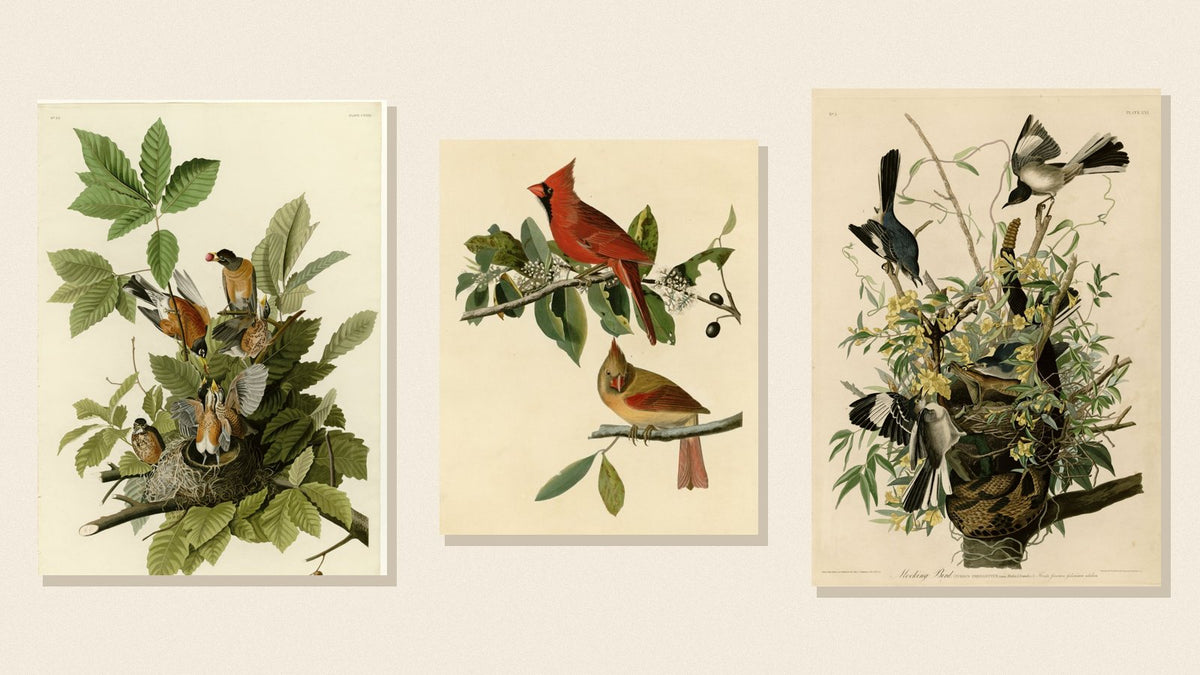
When the temperature drops, many people put away the bird bath and focus on seed. But in a hard freeze, open water can be scarcer than food. Birds need water to drink and to keep their feathers clean — and clean feathers insulate better. A winter bird bath can attract species that rarely touch a feeder, like robins, bluebirds and mockingbirds. Here's how to do it safely.
Do birds use bird baths in winter?
Yes. Birds can eat snow, but melting it costs precious body heat. Given the option, they'll drink from open water, and on milder winter days you'll even see them bathe. Fruit-eating birds that don't come to seed feeders — American Robins, Eastern Bluebirds, Cedar Waxwings, Northern Mockingbirds — are often the first to discover a heated bath.

Three ways to keep water from freezing
| Option | How it works | Good to know |
|---|---|---|
| Heated bird bath | Built-in heating element, usually thermostatic | Simplest setup; needs an outdoor outlet |
| De-icer added to an existing bath | Submersible or base heater that switches on near freezing | Check it suits your bath's material; keep it covered with water |
| Manual method | Refill with warm (not hot) water each morning; use a dark bath in a sunny spot | Free, but it refreezes on very cold days |
Electrical safety
- Plug into a GFCI-protected outdoor outlet.
- Use an outdoor-rated extension cord and keep connections off the ground and dry.
- Follow the manufacturer's instructions, and never let a de-icer run dry.
Never add these to the water
- Antifreeze of any kind — it's toxic.
- Salt — harmful to birds and damages baths.
- Glycerin, alcohol or other "home remedies." They can mat feathers or harm birds.
Plain water only. If you can't keep it open, it's better to let it freeze and empty it than to use additives.
Which bird baths crack in winter?
Water expands as it freezes, which can crack concrete, ceramic, glazed pottery and glass. For winter use:
- Use a heated bath, or a resin, plastic or metal basin rated for cold.
- Empty and store delicate decorative baths, or turn the bowl upside down.
- Remove solar fountain pumps before hard freezes — they won't run in ice and can be damaged.

Set it up for success
- Shallow: 1–2 inches deep is ideal. Add a flat stone so small birds can perch.
- Near cover — but not too near: roughly 10 feet from shrubs gives birds an escape route without giving cats an ambush spot.
- Visible from a window, so you can enjoy the parade.
- Clean regularly: scrub every few days and refill with fresh water; winter birds crowd into baths, so hygiene matters.
- Bathing on bitter days: some people add a few branches over the basin so birds can drink without fully soaking in extreme cold. It's optional; birds generally manage well.
Winter cleaning routine
Busy winter baths get dirty fast, and droppings and leftover seed can foul the water within a day or two. Every few days:
- Unplug any heater or de-icer first.
- Empty the basin and scrub with a stiff brush and plain water.
- For algae or buildup, use a dilute solution of white vinegar or a small amount of bleach (about 1 part to 9 parts water), then rinse very thoroughly.
- Refill with fresh water and plug the heater back in once it's fully submerged.
Smart winter placement
- Near the feeders, but not under them, so seed hulls don't fall into the water.
- Close to the house to keep the extension cord short and the bath easy to check and refill.
- In sun if you can, which reduces the heater's workload on mild days.
- On level ground, so the basin fills evenly and the heater stays covered.
Who will come to your winter bath
| Bird | Why it's notable |
|---|---|
| American Robin | Often ignores feeders entirely but loves water |
| Eastern Bluebird | Visits in small flocks |
| Cedar Waxwing | Arrives in groups after feeding on berries |
| Northern Mockingbird | May defend the bath like a berry bush |
| Dark-eyed Junco | Drinks from the edges on cold mornings |
Many people who add a heated bath see species they never recorded at their feeders, which makes it one of the best winter upgrades for a backyard.
Winter water gear
Find heaters and baths in Backyard Gear. Check each product's description for materials and recommended use.
 Heated Bird Bath De-Icer, 70 W ThermostaticShop now →
 Pedestal Bird Bath with Solar Fountain, Dark Green ShellShop now →
 3-in-1 Bird Bath, Feeder and Planter Pedestal, GreenShop now →
De-icer vs. heated bath vs. manual
| Option | Best for | Keep in mind |
|---|---|---|
| Manual (refill with warm water) | Mild climates, occasional freezes | Needs daily attention; ice returns quickly in hard cold |
| Thermostatic de-icer in an existing bath | Sturdy plastic, metal or resin baths | Use an outdoor-rated GFCI outlet; check the bath material is safe with heaters |
| All-in-one heated bath | Cold regions with long freezes | Simplest setup; still needs a protected outdoor outlet |
FAQ
Should I leave a bird bath out in winter?
Yes, if you can keep it open with a heater or de-icer and it's made of a material that won't crack. Otherwise empty and store it.
What can I put in a bird bath to keep it from freezing?
Nothing but heat. Use a heated bath or a de-icer; never antifreeze, salt or glycerin.
Will birds freeze if they bathe in winter?
Birds are good at judging conditions, and they fluff and preen quickly after bathing. Most bathing happens on milder or sunny days.
Which birds will a winter bird bath attract?
Robins, bluebirds, mockingbirds, cardinals, chickadees, juncos, finches and sometimes waxwings.
Sources & further reading
More from the Journal
Winter Bird Feeding Tips: What to Feed & How to Help Birds
Long nights and short days make winter tough for small birds. The best foods, smart feeder setup, and hygiene habits that keep your winter flock healthy.
4 min read
Spring Bird Migration: When It Peaks & How to See It
Billions of birds move north every spring, mostly at night. Here's when migration peaks where you live, how to read the forecasts, and how to catch the show.
4 min read
Ruby-throated Hummingbird: Male vs. Female, Migration & Feeding
The only hummingbird that nests across most of the East weighs less than a nickel and crosses the Gulf of Mexico. Here's how to tell males from females — and when to...
4 min read