

Winter Bird Feeding Tips: What to Feed & How to Help Birds
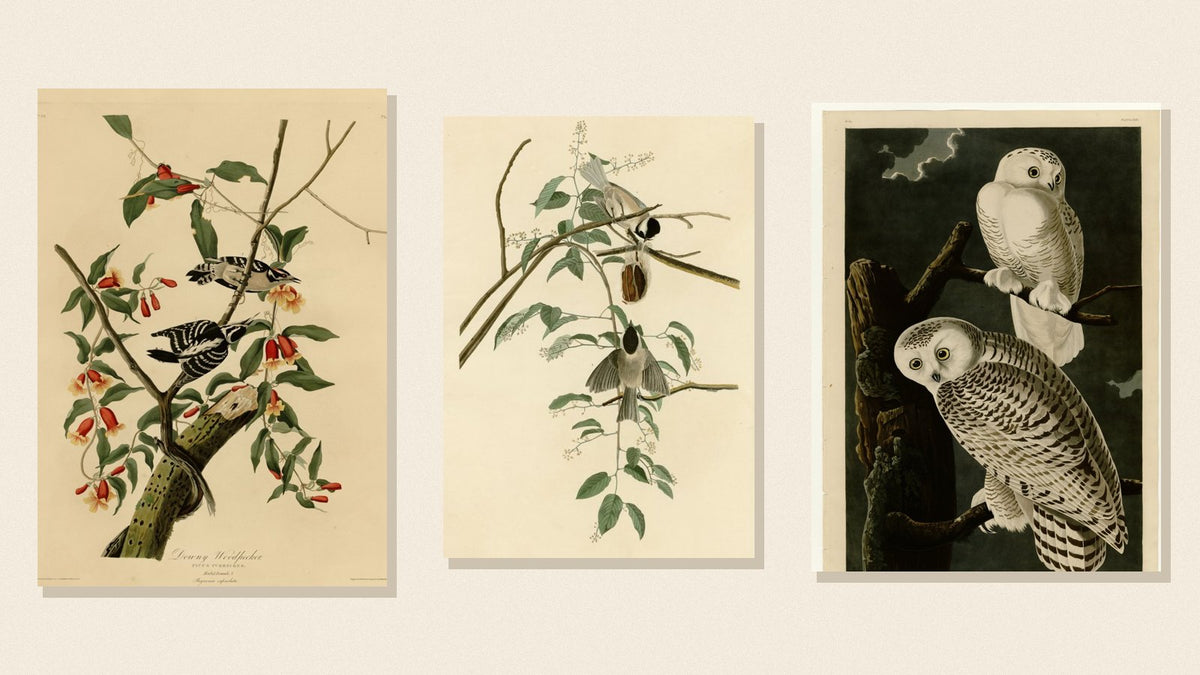
Winter is when bird feeding is most rewarding — for you and the birds. Flocks of chickadees, juncos, finches and woodpeckers settle into daily routines around your feeders, and on a snowy morning your yard can feel like the busiest place in the neighborhood. Here's how to do it well.
Why winter feeding helps
Small birds have to eat enough during short winter days to survive long, cold nights. A chickadee, for example, can burn through much of its fat reserve overnight. Natural foods are still their main source — studies of wild chickadees found feeders supply only a portion of their daily energy — but a reliable feeder can help in harsh weather, and it brings birds close where you can enjoy them.

The best winter foods
| Food | Who eats it | Serve in |
|---|---|---|
| Black-oil sunflower | Almost everyone: cardinals, chickadees, titmice, nuthatches, finches, jays | Hopper, tube, platform |
| Suet (and suet blends) | Woodpeckers, nuthatches, chickadees, wrens | Cage feeder |
| Peanuts (unsalted) | Jays, woodpeckers, titmice, chickadees | Mesh feeder or platform |
| Nyjer and sunflower hearts | Goldfinches, Pine Siskins, redpolls | Fine-mesh or small-port tube |
| White proso millet | Juncos, sparrows, doves | Platform or ground tray |
| Safflower | Cardinals, chickadees, titmice | Hopper or platform |
If you only buy one food, make it black-oil sunflower. Skip mixes heavy in red milo, wheat and filler — many birds toss them aside.
What not to feed
- Bread and crackers: filling but low in nutrition.
- Salted or seasoned nuts and snacks.
- Bacon grease and kitchen fats: they can go rancid and smear on feathers. Use commercial suet instead.
- Moldy or wet seed: toss it.
Set up a winter feeding station
- Shelter: place feeders near evergreens or dense shrubs (about 10 feet away) so birds can dart to cover from hawks and wind.
- Window safety: within 3 feet of a window, or more than 30 feet away.
- Snow: brush snow off platforms and clear a patch of ground for juncos and sparrows.
- Water: open water is a magnet — see our guide to a bird bath in winter.
- Several feeder types bring in the widest variety of birds.

Keep feeders clean
Winter flocks crowd together, which can spread diseases such as salmonellosis and the eye disease that affects House Finches. Good hygiene helps:
- Clean feeders every couple of weeks (more often when busy): scrub with soapy water, then soak in a dilute bleach solution (about 1 part bleach to 9 parts water), rinse well and dry.
- Rake up old seed hulls and droppings under feeders.
- If you see sick birds (lethargic, puffed up, crusty eyes), take feeders down for a week or two and clean everything.
Is it OK to stop feeding?
Yes. Birds use many food sources and won't starve if one feeder disappears. If you're going away, simply taper off. In bear country, follow local guidance and take feeders down when bears become active in spring.
Before and during a winter storm
Birds feed heavily before bad weather and right after it. A little preparation helps:
- Fill feeders the day before a storm arrives.
- Offer suet and sunflower hearts, which give quick energy with no shells to crack.
- Use covered feeders (hoppers and roofed platforms) so seed stays dry.
- Scatter millet on a cleared patch of ground or under a sheltered shrub for juncos and sparrows.
- Knock snow and ice off feeder ports and perches after the storm.
Winter visitors to watch for
| Bird | Where | Favorite feeder food |
|---|---|---|
| Dark-eyed Junco | Most of the US in winter | Millet, sunflower chips on the ground |
| White-throated Sparrow | East and South | Millet, cracked corn |
| Red-breasted Nuthatch | Widespread in some winters | Sunflower, suet |
| Pine Siskin | Irregular, widespread | Nyjer, sunflower hearts |
| Common Redpoll | Northern states in some winters | Nyjer |
Storing seed
Keep seed in a metal can with a tight lid, in a cool, dry place. This keeps out moisture, rodents and insects. Buy only as much as you'll use in a month or two, and throw out seed that smells musty or clumps together.
What if a hawk visits?
Cooper's and Sharp-shinned Hawks sometimes hunt at feeders. It's part of nature, and these hawks are protected. If one becomes a regular, you can take the feeders down for a week or so; the small birds will scatter and the hawk will usually move on.
Winter feeding gear
Find sturdy, easy-to-clean feeders in Backyard Gear.
 Squirrel-Resistant Cage Tube Feeder, 4 PortsShop now →
 Metal Roof Bird Feeder with 360° Perch, Chew-ResistantShop now →
 Heated Bird Bath De-Icer, 70 W ThermostaticShop now →
 Downy Woodpecker Field Guide MugShop now →
A quick winter feeding checklist
- Offer high-fat foods: black-oil sunflower, suet, peanuts and nyjer.
- Keep at least one feeder sheltered from wind and close to cover, such as shrubs about 10 feet away.
- Clear snow off trays and shake out wet, clumped seed.
- Provide unfrozen water with a heated bath or de-icer.
- Clean feeders every couple of weeks, and sooner if you see sick birds.
- Rake up hulls and spilled seed under feeders to limit mold and rodents.
Water is the one thing many winter yards lack. See our guide to keeping a bird bath open in winter.
FAQ
What's the best food to feed birds in winter?
Black-oil sunflower seed attracts the most species. Add suet for woodpeckers and nyjer for finches.
Should I feed birds every day in winter?
Consistency helps birds build a routine, especially during storms and cold snaps, but they won't depend on you entirely.
When should I stop feeding birds?
Many people feed year-round. You can stop any time; tapering is gentler, and in bear country take feeders in by early spring.
What can I feed birds from the kitchen?
Plain unsalted peanuts, chopped apples or raisins (soaked) for fruit-eaters — but avoid bread, salty foods and cooking fats.
Sources & further reading
More from the Journal
Spring Bird Migration: When It Peaks & How to See It
Billions of birds move north every spring, mostly at night. Here's when migration peaks where you live, how to read the forecasts, and how to catch the show.
4 min read
Ruby-throated Hummingbird: Male vs. Female, Migration & Feeding
The only hummingbird that nests across most of the East weighs less than a nickel and crosses the Gulf of Mexico. Here's how to tell males from females — and when to...
4 min read
Native Plants for Birds: What to Plant for a Bird-Friendly Yard
Feeders help, but native plants feed birds all year — especially the caterpillars nestlings depend on. What to plant, what to avoid, and how to start small.
4 min read