

Great Backyard Bird Count 2027: How to Join (Feb 12–15)
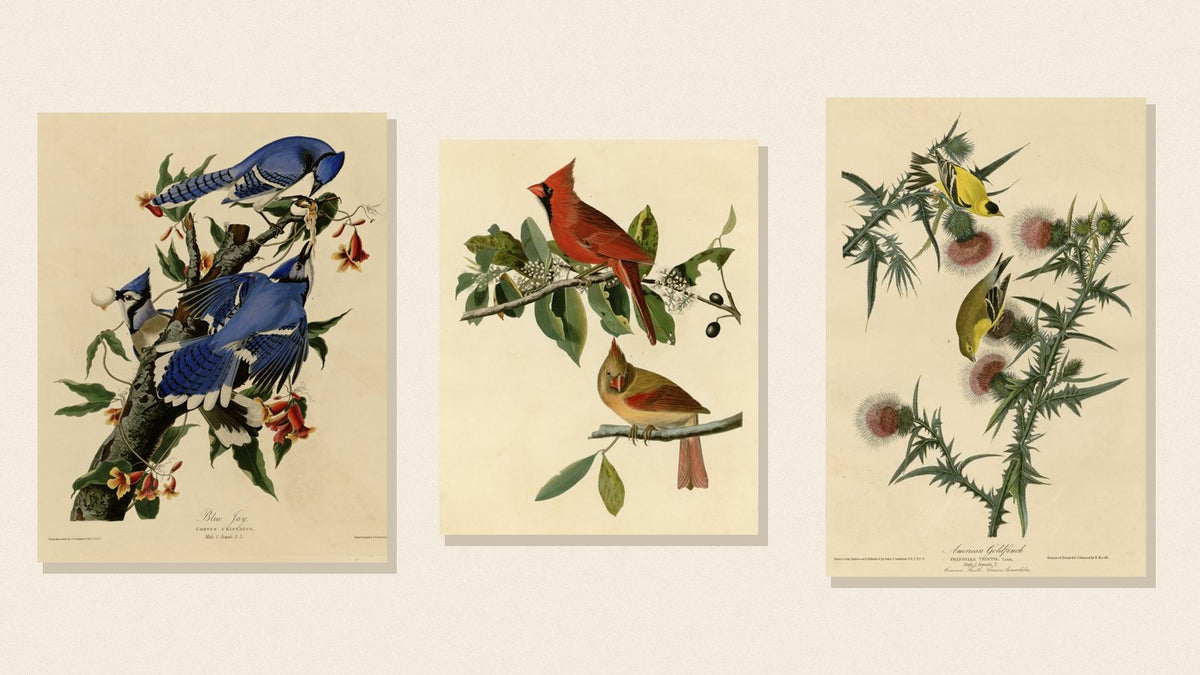
Every February, people around the world spend a few minutes counting birds — and together they create one of the largest snapshots of bird life on the planet. The Great Backyard Bird Count (GBBC) is free, beginner-friendly and can be done from your kitchen window. The 2027 count, its 30th year, takes place February 12–15, 2027.
What is the Great Backyard Bird Count?
The GBBC began in 1998 as a project of the Cornell Lab of Ornithology and the National Audubon Society, later joined by Birds Canada. Participants count birds for at least 15 minutes and report what they saw. Because it happens at the same time every year, scientists can use the data to track how bird populations and ranges are changing — for example, how winter ranges are shifting north or how irruptions of northern finches play out.

How to take part (in 3 steps)
- Watch for at least 15 minutes on one or more days of the count, anywhere — your yard, a park, a balcony, a beach.
- Count the birds you see or hear. For each species, record the highest number you see at one time, not a running total (so you don't count the same chickadee five times).
- Submit your list. You can enter sightings through the free Merlin Bird ID app or as an eBird checklist. See the official birdcount.org site for the current year's instructions.
You can count as many times, and in as many places, as you like — just submit a separate list for each count period and location.
Tips for a great count
- Refill feeders a few days early so birds are in the habit of visiting.
- Count in the morning, when birds are most active.
- Use sound: a sound ID app helps catch birds you hear but can't see.
- Report "unknowns" honestly. If you can't identify a bird, leave it out or report it at a broader level (like "woodpecker sp." in eBird). Accuracy beats volume.
- Zeros count too. A short list from a quiet spot is still valuable data.
Birds you're likely to see in February
| Region | Common count birds |
|---|---|
| East & Midwest | Northern Cardinal, Blue Jay, Black-capped or Carolina Chickadee, Dark-eyed Junco, Downy Woodpecker, American Goldfinch, Mourning Dove |
| South | Northern Cardinal, Carolina Wren, Northern Mockingbird, Eastern Bluebird, American Robin |
| West | Dark-eyed Junco, House Finch, Steller's or California Scrub-Jay, Anna's Hummingbird, Bushtit |

Make it a family tradition
- Print a simple tally sheet with pictures of your usual feeder birds.
- Give each person a job: spotter, counter, recorder.
- Count from a warm window with hot cocoa — no expedition required.
- Compare your results with last year's and look at the live map of checklists from around the world.
What scientists learn from your count
A single count from one backyard may look small, but hundreds of thousands of lists from around the world add up to a powerful dataset. Combined with eBird and Project FeederWatch, GBBC data have helped researchers:
- Track how winter ranges of birds are changing over time.
- Follow "irruptions," winters when northern species such as Pine Siskins, redpolls or Snowy Owls move far south in large numbers.
- Monitor the spread of species and the effects of bird diseases.
- Compare bird life across countries during the same four days.
A simple tally method
Counting a busy feeder can be confusing. Use this approach to avoid double-counting:
- Watch for a set time, such as 15 or 30 minutes.
- For each species, write down the largest number you see at one moment.
- If you see 4 cardinals, then later 6 at once, your count is 6, not 10.
- Add a species when you first see or hear it, and update the number only when you see more at the same time.
Counting with a class or group
The GBBC works well for classrooms, scout troops, library programs and senior centers. Assign one window per group, provide a picture checklist, and compare results at the end. Older students can explore past results on the GBBC website and look for patterns, such as which species were reported most widely in their state.
After the count
If you enjoyed it, keep going: Project FeederWatch runs from November to April and asks participants to count feeder birds regularly through the winter.
Get ready for count weekend
Stock up on feeders before February, or grab a cozy field-guide mug for window-watching. Explore Backyard Gear and Shop by Bird.
 Clear Window Bird Feeder with Suction Cups, 2 CupShop now →
 Gazebo Hanging Bird Feeder, 6 Ports, 2.2 lb Seed CapacityShop now →
 Northern Cardinal Field Guide MugShop now →
 Bird Nerd Crewneck SweatshirtShop now →
Count-weekend checklist
- Create a free account and download the Merlin Bird ID or eBird app before February 12.
- Fill feeders a few days ahead so birds are already visiting.
- Pick a time and place, and watch for at least 15 minutes.
- Count the most individuals of each species you see at one time, not every visit — this avoids counting the same chickadee ten times.
- Note birds you're unsure of and skip them rather than guessing; an accurate short list is more useful than a long uncertain one.
- Submit your list, then repeat on another day or at another spot if you like. Each count is a separate checklist.
FAQ
When is the Great Backyard Bird Count 2027?
February 12–15, 2027 (Friday to Monday).
Do I need to be an expert?
No. Beginners are welcome — just report the birds you can identify confidently.
Does it cost anything?
No, participating is free.
Can I count somewhere other than my backyard?
Yes — parks, trails, schoolyards, anywhere you are during the count.
Sources & further reading
More from the Journal
Winter Bird Feeding Tips: What to Feed & How to Help Birds
Long nights and short days make winter tough for small birds. The best foods, smart feeder setup, and hygiene habits that keep your winter flock healthy.
4 min read
Spring Bird Migration: When It Peaks & How to See It
Billions of birds move north every spring, mostly at night. Here's when migration peaks where you live, how to read the forecasts, and how to catch the show.
4 min read
Ruby-throated Hummingbird: Male vs. Female, Migration & Feeding
The only hummingbird that nests across most of the East weighs less than a nickel and crosses the Gulf of Mexico. Here's how to tell males from females — and when to...
4 min read