

Birding for Beginners: How to Start Birdwatching (The Easy Way)
Birding is one of the easiest hobbies to start. Birds are everywhere — in cities, suburbs, parks and backyards — and you can enjoy them in five spare minutes or over a whole day outdoors. You don't need to know a single species name to begin. Here's how to get started the easy way.
Step 1: Start where you are
Begin with the birds you already see: in your yard, on your walk to work, at the local park. Learning ten common birds well is the foundation for everything else. A simple feeder outside a window brings birds close enough to study every day.
Not sure which birds to start with? Our guide to 10 common backyard birds is a great first checklist.

How to identify birds: the "five S's"
Many beginner guides teach a version of the "five S's." It's a handy checklist for what to notice before the bird flies away:
- Size: compare to birds you know — sparrow, robin, crow.
- Shape: bill shape, tail length, crest or no crest, overall body build.
- Shade (color pattern): where the colors are — wing bars, eye stripes, a cap, a breast patch.
- Song (and sounds): calls are often the fastest clue.
- Spot (habitat and behavior): treetops or ground? Climbing trunks? Wading? Flicking its tail?
Beginners tend to focus only on color. Shape and behavior are often more useful — a nuthatch creeping headfirst down a trunk is recognizable even in silhouette.
Gear: what you need and what you don't
| Item | Need it? | Notes |
|---|---|---|
| Binoculars | Very helpful | 8x42 is a great all-round size: bright, steady and wide. Waterproof is a plus. |
| Field guide | Helpful | Pick one for your region (East or West) rather than all of North America. |
| Free apps | Yes | Merlin Bird ID for photo and sound ID; eBird to keep lists and find hotspots. |
| Notebook | Optional | Jot down field marks or sketch — it trains your eye. |
| Camera / spotting scope | Later | Nice to have, not needed to start. |
Binocular tip: find the bird with your eyes first, keep looking at it, then raise the binoculars to your eyes without looking away.

When and where to go
- Morning is best — birds are most active and vocal in the first few hours after sunrise.
- Edges where habitats meet (woods and field, field and water) have the most variety.
- Water attracts birds year-round: ponds, rivers, marshes and coastlines.
- Join a walk: local Audubon chapters, nature centers and bird clubs lead free or low-cost walks. Learning from others is the fastest way to improve.
What to wear (and not wear)
- Muted, natural colors — greens, browns, grays. Bright white and neon tend to stand out.
- Quiet fabrics; swishy jackets can be noisy.
- Layers, a hat and comfortable waterproof shoes.
Birding etiquette
- Keep a respectful distance, especially from nests and roosting owls.
- Use recordings sparingly, if at all, and never near nesting birds.
- Stay on trails and respect private property.
- The American Birding Association's Code of Birding Ethics is a great read.
Your first month: a simple plan
| Week | Goal |
|---|---|
| 1 | Put up a feeder and learn the 3–5 most common birds that visit |
| 2 | Take a 30-minute morning walk in a local park and note every bird you can |
| 3 | Learn three bird sounds using a free sound-ID app, then confirm by sight |
| 4 | Join a local bird walk or visit a wetland or nature center |
By the end of the month, most people know 15 to 25 local birds and have a "next bird" they're excited to find.
Common beginner mistakes
- Trying to learn everything at once. Focus on your local, common birds first.
- Relying only on color. Lighting changes colors; shape and behavior are more reliable.
- Looking in the book before looking at the bird. Watch first, then look it up.
- Getting discouraged by unknowns. Even experts leave many birds unidentified. It's part of the fun.
To list or not to list?
Some birders love keeping a "life list" of every species they've seen; others never keep one. Lists can be motivating and help science through eBird, but they're optional. The point of birding is noticing the life around you, whether that means traveling for rare birds or knowing the cardinals in your own yard.
For the newly hooked
Welcome to the flock. Our Bird Nerd designs are made for exactly this stage.
 Bird Nerd Comfort Colors T-ShirtShop now →
 I'm Just Here for the Birds MugShop now →
 Easily Distracted by Birds Crewneck SweatshirtShop now →
 Clear Window Bird Feeder with Suction Cups, 2 CupShop now →
Ten birds most beginners learn first
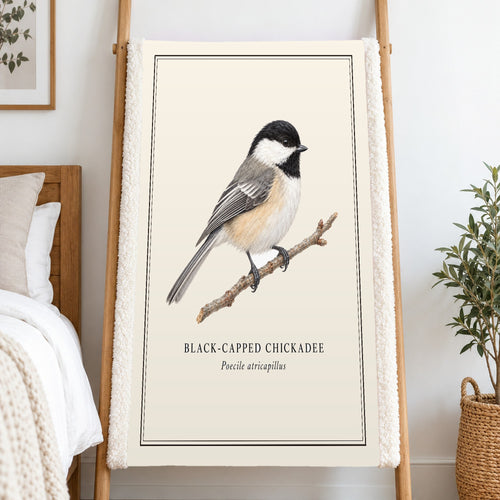
In much of the US and Canada, these common species show up in backyards and parks and make great first IDs: Northern Cardinal, American Robin, Blue Jay, Black-capped (or Carolina) Chickadee, Mourning Dove, American Goldfinch, Downy Woodpecker, House Finch, Dark-eyed Junco (in winter) and Song Sparrow. Learn these well and you'll have a baseline to compare every new bird against. Our guide to telling 10 backyard birds apart is a good next step.
FAQ
How do I get started with birding?
Put up a feeder or take a regular walk, learn your ten most common birds, download a free ID app, and join a local bird walk when you can.
What are the five S's of birding?
A beginner checklist: size, shape, shade (color pattern), song, and spot (habitat and behavior).
Is birding a cheap hobby?
It can be very cheap. Apps and many walks are free; a decent pair of binoculars is the main purchase.
What colors should you not wear when birding?
Avoid bright white and neon. Earth tones help you blend in.
Sources & further reading
More from the Journal
Winter Bird Feeding Tips: What to Feed & How to Help Birds
Long nights and short days make winter tough for small birds. The best foods, smart feeder setup, and hygiene habits that keep your winter flock healthy.
4 min read
Spring Bird Migration: When It Peaks & How to See It
Billions of birds move north every spring, mostly at night. Here's when migration peaks where you live, how to read the forecasts, and how to catch the show.
4 min read
Ruby-throated Hummingbird: Male vs. Female, Migration & Feeding
The only hummingbird that nests across most of the East weighs less than a nickel and crosses the Gulf of Mexico. Here's how to tell males from females — and when to...
4 min read