

10 Backyard Birds and How to Tell Them Apart

You don't need a lake house or expensive binoculars to start birding. Most of the birds below visit ordinary backyards and parks across much of North America — and once you can name them, you'll start noticing them everywhere. Here's how to recognize ten favorites, with links to our deeper guides for each.
Quick comparison
| Bird | Size | Key field mark | When | Favorite food |
|---|---|---|---|---|
| Northern Cardinal | 8–9 in | Crest; thick orange-red bill | Year-round | Sunflower, safflower |
| Black-capped Chickadee | 5 in | Black cap and bib, white cheeks | Year-round | Sunflower, suet |
| Ruby-throated Hummingbird | 3–3.5 in | Tiny; green back; male's red throat | Spring–fall | Nectar, small insects |
| Blue Jay | 10–12 in | Blue crest, black necklace | Year-round | Peanuts, acorns |
| Eastern Bluebird | 6.5–8 in | Blue back, rusty breast | Year-round in much of range | Mealworms, berries |
| American Goldfinch | 4.5–5 in | Yellow in summer; black wings with bars | Year-round | Nyjer, sunflower hearts |
| Great Horned Owl | 18–25 in | Ear tufts, yellow eyes | Year-round (heard at dusk) | Rodents, rabbits |
| Common Loon | 26–36 in | Black head, checkered back (summer) | Summer on northern lakes | Fish |
| Downy Woodpecker | 6–7 in | Black-and-white; very short bill | Year-round | Suet |
| Great Blue Heron | 3–4.5 ft | Tall, blue-gray, dagger bill | Year-round where water's open | Fish, frogs |

1. Northern Cardinal
Males are brilliant red with a crest and a black mask; females are warm tan with red in the wings and tail. Both have a thick, orange-red bill. Listen for loud whistled cheer-cheer-cheer songs and a sharp chip. Full cardinal guide →
2. Black-capped Chickadee
A tiny, round bird with a black cap and bib, white cheeks and a gray back. It grabs one seed at a time and flies off to eat it. Its call says its name: chick-a-dee-dee-dee. In the Southeast, the similar Carolina Chickadee replaces it. Full chickadee guide →
3. Ruby-throated Hummingbird
The only hummingbird that regularly nests across the eastern US. Males flash a red throat in good light; females have white throats and white-tipped tails. Offer nectar of 1 part white sugar to 4 parts water — no dye — and clean the feeder often. Male vs. female guide →
4. Blue Jay
Big, loud and clever, with a blue crest, black necklace and bold white wing bars. Jays love peanuts and acorns and bury food to eat later — even mimicking hawks now and then. Full Blue Jay guide →

5. Eastern Bluebird
Royal blue above with a rusty-orange breast (females are softer gray-blue). Bluebirds rarely eat seed; they come for mealworms, berries and nest boxes placed in open, grassy areas. How to attract bluebirds →
6. American Goldfinch
In summer, males are lemon yellow with a black cap and black wings; in winter both sexes turn olive-brown but keep their wing bars. Nyjer and sunflower hearts are favorites. Summer vs. winter plumage →
7. Great Horned Owl
A large owl with feathery "ear" tufts and yellow eyes. You're more likely to hear its deep hoo-h'HOO-hoo-hoo on a winter evening than to see it. Owl call guide →
8. Common Loon
A bird of northern lakes with a black head, red eye and black-and-white checkered back in summer. Its haunting wail is the sound of summer at the cabin. Loon calls explained →
9. Downy Woodpecker
The smallest North American woodpecker: black and white, with a short, stubby bill. Males have a small red patch on the back of the head. The larger Hairy Woodpecker looks almost identical but has a much longer bill. Downy vs. Hairy →
10. Great Blue Heron
A tall gray-blue wader that stands still in shallow water before striking at fish. In flight it tucks its neck in an S-curve, unlike cranes. Heron guide →
Getting started
- Put one feeder where you can see it from a window and add fresh water nearby.
- Give birds a week or two to find it.
- Keep a simple list of who visits — that's all birding is. Our beginner's guide covers the rest.
Five pairs beginners mix up
Half the fun of backyard birding is the "almost" moments. These are the look-alikes that trip up almost everyone at first:
Female cardinal vs. female House Finch
Both are brownish with a stout bill, but the female cardinal is plain and smooth-looking with a crest and an orange-red bill. The female House Finch is heavily streaked below, has no crest, and has a dull gray-brown bill.
Chickadee vs. nuthatch
White-breasted Nuthatches share the black cap and gray back, but they have a long, slightly upturned bill, a clean white face with no black bib, and they creep headfirst down tree trunks. Chickadees rarely walk on trunks at all.
Bluebird vs. Blue Jay vs. Indigo Bunting
Size settles most cases: the jay is twice the bluebird's size and has a crest. In summer, the male Indigo Bunting is blue all over with no orange breast, and it is noticeably smaller than a bluebird.
Goldfinch vs. Yellow Warbler
A goldfinch has black wings with white bars and a cone-shaped seed-eater's bill. A Yellow Warbler is yellow nearly everywhere, with a thin insect-eater's bill, and it does not come to seed feeders.
Downy vs. Hairy Woodpecker
Look at the bill: short and dainty on the Downy, long and chisel-like on the Hairy. Our side-by-side guide covers four more clues.
What to expect through the year
- Winter: the most reliable feeder season. Cardinals, chickadees, jays, goldfinches and Downy Woodpeckers form the core; listen for Great Horned Owls at dusk because they nest in mid-winter.
- Spring: hummingbirds return, bluebirds check nest boxes, goldfinch males molt back to yellow, and migrants pass through.
- Summer: loons call on northern lakes, herons hunt every pond edge, and feeders fill with scruffy juvenile birds that don't match the pictures yet.
- Fall: hummingbirds head south, jays cache acorns, and goldfinches fade to olive-brown.
Keeping a simple notebook of first and last dates for each bird is a surprisingly addictive habit, and after a year or two you'll be able to predict your yard's calendar almost to the week.
Your favorite bird, every day
Each of these ten birds has its own field-guide collection — browse them all in Shop by Bird.
 Northern Cardinal Field Guide MugShop now →
 Black-capped Chickadee Field Guide MugShop now →
 Eastern Bluebird Field Guide Canvas PrintShop now →
 Clear Window Bird Feeder with Suction Cups, 2 CupShop now →
FAQ
What is the most common backyard bird?
It depends on region, but in much of the US, Northern Cardinals, Mourning Doves, American Robins, House Finches and chickadees top the lists from projects like Project FeederWatch.
How can I identify a bird I don't know?
Note its size, shape, color pattern, sound and behavior, then use a regional field guide or a free ID app like Merlin Bird ID.
What's the best feeder for beginners?
A hopper or tube feeder filled with black-oil sunflower seed attracts the widest variety of birds.
Sources & further reading
More from the Journal
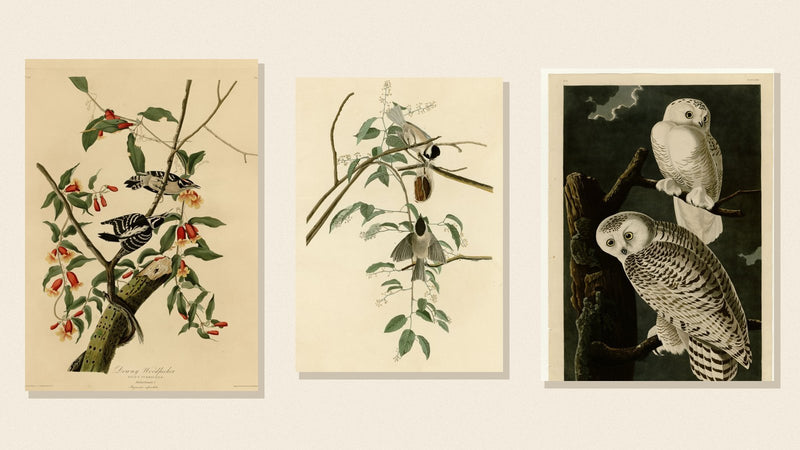
Winter Bird Feeding Tips: What to Feed & How to Help Birds
Long nights and short days make winter tough for small birds. The best foods, smart feeder setup, and hygiene habits that keep your winter flock healthy.
4 min read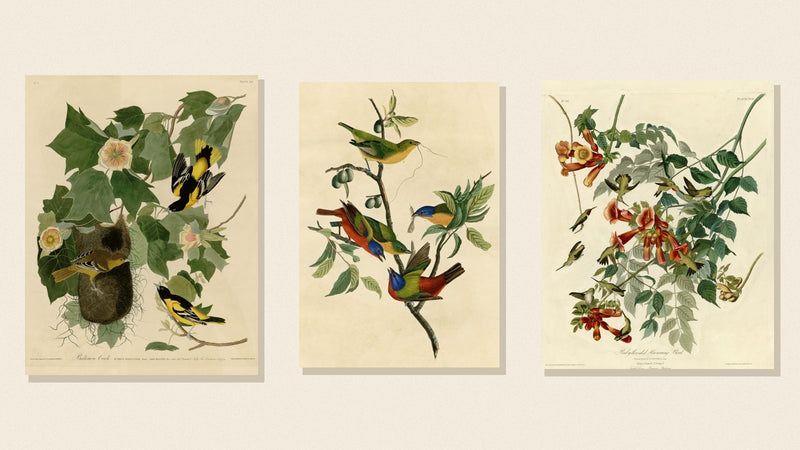
Spring Bird Migration: When It Peaks & How to See It
Billions of birds move north every spring, mostly at night. Here's when migration peaks where you live, how to read the forecasts, and how to catch the show.
4 min read
Ruby-throated Hummingbird: Male vs. Female, Migration & Feeding
The only hummingbird that nests across most of the East weighs less than a nickel and crosses the Gulf of Mexico. Here's how to tell males from females — and when to...
4 min read